Fire
Deforestaion
Fire
Climate
Fire
Timely Updates on
Global Climate Incidents
An initiative
initiative0%
initiative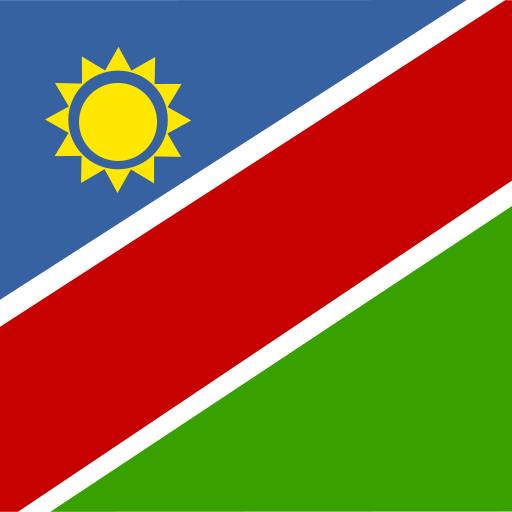
Namibia, a country with a vast area of over 82 million hectares, recently witnessed a new wildfire incident in the Kavango West Region on September 20, 2026. This incident underscores the ongoing environmental challenges the nation faces, particularly in terms of tree cover loss and environmental sustainability.
Over the years, Namibia has experienced a fluctuating pattern of tree cover loss, with notable peaks in the early 2000s. In 2001, the country saw a significant tree cover loss of 417.80 hectares, primarily driven by wildfires, which accounted for nearly 50% of the loss. By 2025, the tree cover loss had decreased to 1.50 hectares, with urbanization emerging as a contributing factor.
Despite efforts to manage these losses, Namibia's net change in tree cover remains negative, with a decrease of 0.34% over the years. This trend highlights the persistent environmental challenges, including the impact of shifting agriculture and wildfires, which continue to affect the country's ecological balance.
The recent wildfire incident in the Kavango West Region serves as a reminder of the need for continued vigilance and sustainable practices to protect Namibia's natural resources. As the nation grapples with these challenges, it is crucial to foster discussions on effective strategies to mitigate environmental impacts and promote ecological resilience.
initiative